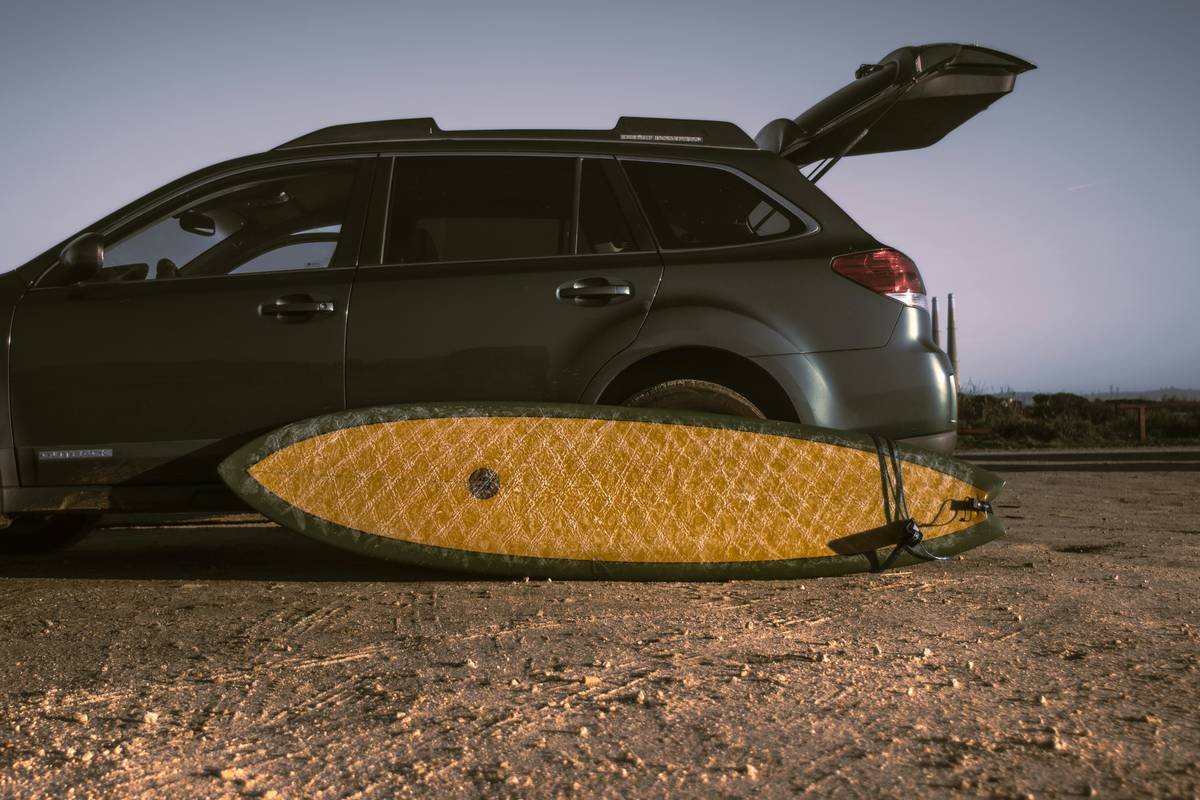
Ever checked a surfboard only to find it returned looking like it lost a fight with a woodchipper? You’re not alone. According to the International Air Transport Association (IATA), over 25 million sports equipment items are mishandled by airlines annually—and surfboards are among the most vulnerable. If you’ve ever stood at baggage claim holding your breath while a dinged-up board slides onto the carousel… this post is your lifeline.
This guide cuts through the foam-and-fiberglass fluff to give you everything you need to know about board transport gear—from hard-shell cases that laugh at baggage handlers to soft bags that won’t break your back (or your bank). You’ll learn how to choose the right gear for your travel style, avoid rookie mistakes that lead to shattered glass, and even sneak in clever hacks frequent wave chasers use but never talk about.
Table of Contents
- Why Board Transport Gear Matters More Than You Think
- How to Choose the Right Board Transport Gear for Your Needs
- Best Practices for Packing & Flying With Your Board
- Real-World Case Studies: What Worked (and What Blew Up)
- FAQs About Board Transport Gear
Key Takeaways
- Hard-shell cases offer maximum protection but weigh more and cost more; soft bags are lighter and cheaper but require strategic padding.
- Airlines classify surfboards as “oversized luggage”—know size/weight limits before you fly to avoid $200+ surprise fees.
- Packing tip: Wrap fins in old socks, fill tail gaps with rolled towels, and ALWAYS remove wax before packing (it melts at 120°F!).
- Top brands like Cedaero, Hyperlite, and Rip Curl dominate performance and durability tests from independent reviewers like Surfer Magazine and The Inertia.
- Never check an empty board bag—it’s begging for damage. Always add internal support (pool noodles = secret weapon).
Why Board Transport Gear Matters More Than You Think
Your surfboard isn’t just gear—it’s your passport to perfect peeling rights, dawn patrol solitude, or that once-in-a-lifetime reef break in Indonesia. Yet most travelers treat board transport like an afterthought: “Just toss it in a $40 soft bag and pray.” I learned this the hard way on a trip to Costa Rica.
I’d scored a last-minute flight to Pavones during swell season. In my rush, I used a worn-out soft bag with zero padding. During the San José layover, ground crew tossed it like a sack of coconuts. When I unzipped it at the hostel, my 6’8″ thruster had a pressure dent deep enough to hold my morning coffee. Repair cost: $120. Missed session: priceless.
The reality? Airlines don’t consider surfboards “fragile”—they’re treated like golf clubs or skis. Without proper board transport gear, you’re rolling dice with your investment. A new performance shortboard can cost $800–$1,200. A solid case? $250–$500. Math doesn’t lie.

How to Choose the Right Board Transport Gear for Your Needs
What’s your travel personality?
Optimist You: “I want lightweight, affordable, and easy to carry!”
Grumpy You: “Ugh, fine—but if it gets dinged in Tulum again, I’m retiring to a landlocked state.”
Your ideal board transport gear depends on three factors: destination frequency, airline policies, and board value.
Option 1: Hard-Shell Cases (The Fort Knox of Foam)
Best for: Frequent fliers, high-performance boards, remote destinations with rough handling.
Pros: Crush-resistant ABS or polyethylene shells, lockable zippers, built-in wheels. Brands like Cedaero even include TSA-approved locks and fin compartments.
Cons: Heavy (12–18 lbs empty), bulky, expensive ($350–$600).
Option 2: Padded Soft Bags (The Everyday Hero)
Best for: Occasional travelers, budget-conscious riders, domestic flights.
Look for: 10mm+ foam padding, reinforced nose/tail zones, and backpack straps. Rip Curl’s Dura Tech series and Dakine’s Coffin line consistently rank top in The Inertia’s annual gear tests.
Avoid: Anything under 5mm padding—it’s basically a glorified tote.
Option 3: Hybrid Cases (The Best of Both Worlds?)
Newer models like the Hyperlite Transit Vault blend semi-rigid panels with soft-shell flexibility. Great for car-to-plane trips but still vulnerable to direct impacts.
Best Practices for Packing & Flying With Your Board
1. Know Airline Rules Before You Book
Most U.S. carriers (Delta, United, American) allow one surfboard up to 100 linear inches (L+W+H) for $75–$150 each way. But JetBlue caps at 80 inches. Hawaiian Airlines? Free on inter-island flights. Always check before booking.
2. Pack Like a Pro—Not a Panic Merchant
- Remove all fins and store them in a sock or fin box (loose fins = gouged foam).
- Fill voids with rolled beach towels, pool noodles, or bubble wrap—floppy tails crack easily.
- Scrape off wax—it liquefies in cargo holds and leaves stains that attract pests (yes, really).
- Mark your bag clearly: “Fragile – Surfboard Inside” + your phone number.
3. The Terrible Tip No One Should Follow
“Just wrap your board in bubble mailers and duct tape—it’s saved me $$!” Nope. This is how you end up with delaminated rails and a $200 repair bill. Airlines aren’t liable for improperly packed gear. Save the MacGyver act for camping.
My Pet Peeve Rant
Why do manufacturers still sell “surfboard bags” with zero tail or nose reinforcement? It’s like selling a raincoat with no hood. If your bag doesn’t have extra padding where boards hit hardest—the nose and tail—you’re gambling. Call it what it is: a dust cover, not transport gear.
Real-World Case Studies: What Worked (and What Blew Up)
Case Study 1: Bali Breakthrough with Cedaero Armor
Mia R., pro longboarder, flew SFO → Denpasar with two boards in a Cedaero Dual Board Case. Despite two layovers and monsoon-season humidity, both boards arrived pristine. Her secret? She packed each board in individual sock liners first, then added silica gel packs to control moisture.
Case Study 2: The $99 Soft Bag Disaster
On a budget trip to Portugal, Jake T. used a noname Amazon soft bag (4mm padding). His 5’10” fish returned with a snapped tail after a Lisbon baggage carousel tumble. Lesson? Padding thickness isn’t marketing fluff—it’s structural integrity.
FAQs About Board Transport Gear
Can I take my surfboard as carry-on?
Almost never. Most airlines require boards to be checked due to size. Exceptions exist for very short boards (<5’6”) on regional flights—call ahead.
Are padded board socks enough for air travel?
No. Socks offer zero impact protection. They’re fine for car trips or storage, but never for flying.
Do airlines charge extra for board transport gear?
Yes—but it’s usually bundled under “sports equipment” fees. Southwest includes it free with their “Bags Fly Free” policy (within size limits).
How do I clean my board bag after saltwater trips?
Rinse interior with fresh water, wipe with vinegar solution (1:1 water/vinegar), and air dry completely before storing. Salt = mold magnet.
Conclusion
Board transport gear isn’t an accessory—it’s armor for your aquatic soul. Whether you’re chasing swells across time zones or road-tripping up the coast, investing in the right case or bag saves money, stress, and sessions. Remember: airlines see luggage. You see your ticket to tubes. Protect it accordingly.
So next time you pack your board, ask yourself: “Would I send my laptop through baggage claim wrapped in a sheet?” Didn’t think so.
Like a Tamagotchi, your surfboard needs daily care… and a bulletproof suitcase when you fly.
Ocean whispers,
Foam meets fiberglass sky—
Bag zips shut. Safe flight.