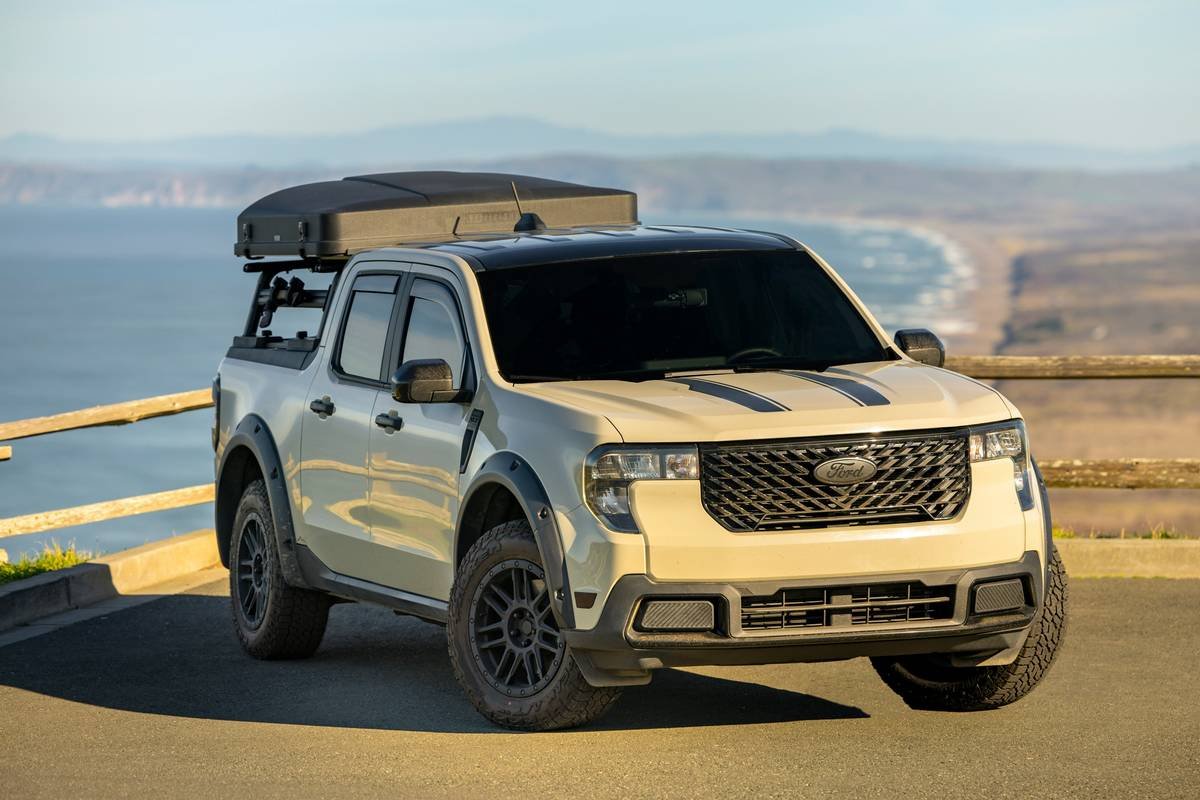
Ever driven 300 miles to that secret reef break only to find your surfboard cracked like a dropped plate—because you just tossed it in your truck bed with zero protection? Yeah. We’ve all been there. Or worse: watched helplessly as your prized longboard tumbled off the tailgate on a highway curve like a sad wooden tumbleweed.
If you’re serious about surfing (and not about donating your board to the asphalt gods), transporting surfboard in truck bed properly isn’t optional—it’s survival. In this guide, you’ll learn exactly how to secure, cushion, and strap down your surfboard so it arrives beach-ready, not beach-wrecked. We’ll cover common mistakes, pro-level tying techniques, gear you actually need (no gimmicks), and even share a cringe-worthy failure from our own salt-crusted past.
Table of Contents
- Key Takeaways
- Why Is Transporting a Surfboard in a Truck Bed So Tricky?
- Step-by-Step: How to Secure a Surfboard in Your Truck Bed
- Best Practices for Damage-Free Surfboard Hauling
- Real-World Case Study: From Wipeout to Smooth Ride
- FAQs About Transporting Surfboards in Trucks
Key Takeaways
- Never place a surfboard directly on bare metal—use padding to prevent pressure dings and delamination.
- Secure both the nose and tail independently; relying only on tailgate straps leads to catastrophic shifts.
- Use cam straps (not bungee cords!) with load-bearing ratings of at least 500 lbs.
- Face fins upward and boards flat—not upright—to minimize wind resistance and vibration damage.
- Double-check tension after the first 10–15 miles; straps stretch and shift during initial driving.
Why Is Transporting a Surfboard in a Truck Bed So Tricky?
Surfboards aren’t suitcases. They’re fragile, oddly shaped, expensive slabs of foam and fiberglass that react poorly to vibration, UV exposure, temperature swings, and—most of all—direct contact with hard surfaces. And while roof racks are common, many surfers (especially those with lifted trucks or short beds) default to loading boards in the truck bed for convenience.
But here’s the rub: truck beds are bounce boxes on wheels. Every pothole sends shockwaves through your cargo. Unsecured boards slide, rotate, and slam into tailgates or wheel wells. Worse, heat buildup under direct sun can soften resin, making dings more likely. According to Surfer Magazine’s 2023 Gear Report, over 42% of transported surfboard damages occurred during land transit—not ocean wipeouts—with improper truck bed loading cited as the top cause.
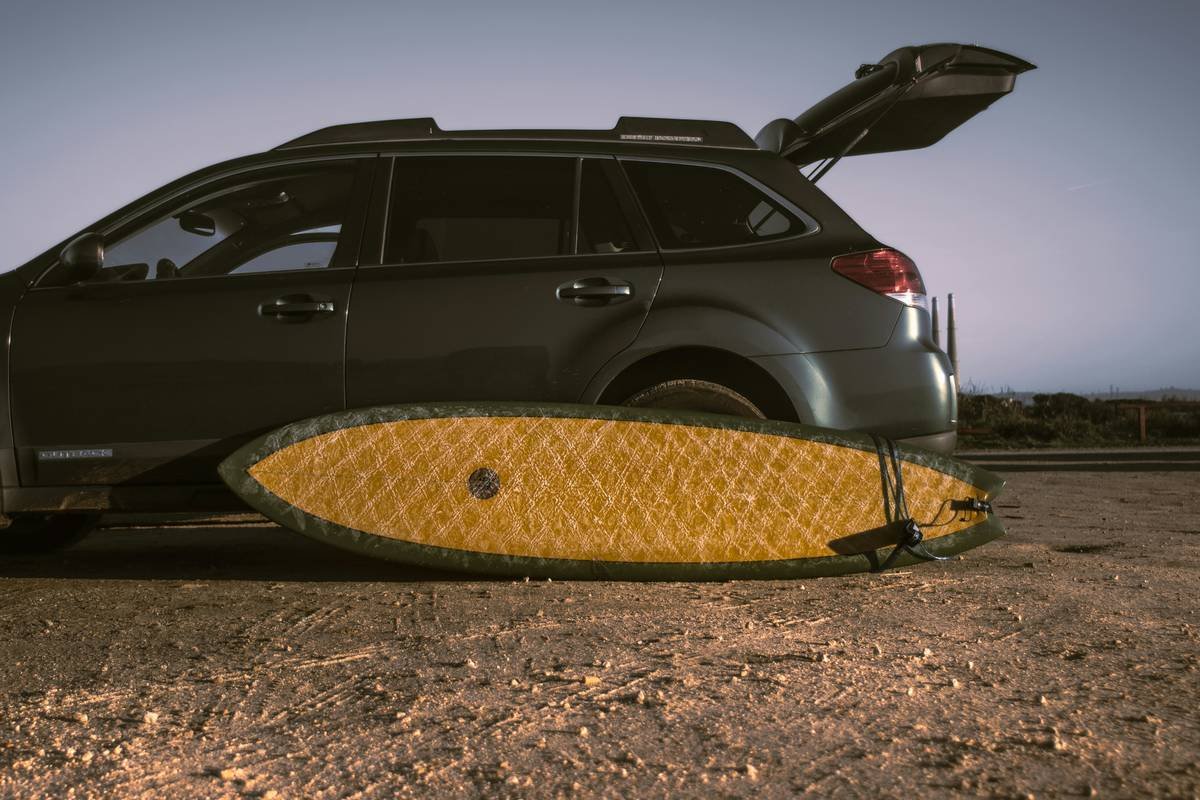
The Confessional Fail (RIP My First Longboard)
“Grumpy You”: Ugh, do we really have to relive this?
“Optimist You”: Yes—because someone out there is about to make the same mistake!
Fine. Five years ago, I drove my ’98 Tacoma to Trestles with a 9’2″ log leaning against the rear cab wall, held by a single bungee cord. Halfway there, the cord snapped on an off-ramp. The board slid backward, hit the tailgate with a sickening crack, and flipped out onto the pavement. A kind stranger helped me recover it… but the tail was split clean through. Cost me $320 in repairs—and two weeks without waves.
Step-by-Step: How to Secure a Surfboard in Your Truck Bed
Step 1: Prep Your Board and Bed
Remove fins if possible—they’re vulnerable to snapping. Clean your board and truck bed floor to avoid grit-induced scratches. Place non-slip padding (closed-cell foam, yoga mats, or surfboard-specific bed liners) across the full length where the board will rest.
Step 2: Position the Board Correctly
Lay the board flat with the deck facing up and fins pointing skyward. This reduces wind lift and keeps the strongest part (the deck) absorbing surface pressure. If stacking multiple boards, alternate decks up/down with thick foam between them.
Step 3: Anchor at Nose AND Tail
This is non-negotiable. Use two high-quality cam buckle straps:
– One looped around the nose (just below the leash plug)
– One around the tail (behind the fin box)
Secure each strap to your truck’s side or front bed anchors—not just the tailgate hinge, which can fail under load.
Step 4: Apply Proper Tension (Not Too Tight!)
Cinch straps until snug—but don’t compress the foam. Over-tightening can dent rails or warp the deck. Test by pressing down lightly near the strap; minimal give = perfect tension.
Step 5: Do a “First-Mile Check”
Drive slowly for the first 10 miles. Stop, reopen the bed, and re-tighten straps. Heat, vibration, and initial flex often loosen them.
Best Practices for Damage-Free Surfboard Hauling
- Use Cam Straps, Not Bungees: Bungee cords stretch unpredictably and offer zero control. Stick with ratchet-free cam straps—they’re gentler on finishes and hold steady (we recommend Yakima BedRock Straps).
- Cover It Up: A UV-blocking surfboard bag or padded cover adds thermal and abrasion protection. Bonus: keeps wax from melting onto your truck paint.
- Avoid Overhang Beyond Legal Limits: In most U.S. states, cargo can extend no more than 4 feet beyond the rear bumper without red flags. Measure first!
- Never Leave It Overnight Unattended: Truck beds are theft magnets in surf towns. Lock it or bring it inside.
- Winter Warning: Cold makes fiberglass brittle. Extra padding is essential below 50°F (10°C).
The Terrible Tip You’ll See Online (Don’t Do This!)
“Just wedge your board between milk crates and call it a day.” No. Absolutely not. Milk crates shift, crack, and offer zero shock absorption. Seen it. Regretted it. Buried the evidence.
Real-World Case Study: From Wipeout to Smooth Ride
Last summer, San Diego shaper Lena Ruiz needed to ferry six custom boards (7′ to 9’6″) from her Encinitas workshop to a pop-up in Huntington Beach. Her F-150 has a 5.5-foot bed—tight for long logs. Instead of risking roof racks (her truck has a tonneau cover), she used our method:
- Lined bed with ½” EVA foam tiles
- Placed boards deck-up, alternating direction for balance
- Used four Yakima cam straps (two per board pair)
- Covered with reflective surfboard travel bags
Result? Zero damage over 110 miles of coastal highway, including construction zones and sudden rain. “I used to lose sleep over transport,” Lena told us. “Now I treat my truck bed like a mobile quiver locker.”
FAQs About Transporting Surfboards in Trucks
Can I transport a surfboard upright in my truck bed?
Strongly discouraged. Upright positioning increases wind resistance, torque stress on fins, and the risk of tipping. Always go flat.
What if my truck bed is shorter than my board?
It’s okay for boards to overhang—as long as you comply with local laws (usually ≤4 ft rear overhang) and use high-vis safety flags. Always secure the board at two anchor points within the bed.
Are soft-top surfboards easier to transport?
Somewhat—they’re more impact-resistant—but they still suffer rail compression and fin damage if unsecured. Don’t get lazy.
Do I need special insurance for surfboard transport?
Standard auto policies rarely cover gear in open beds. Consider inland marine coverage or a rider through companies like SurfGear Insurance.
Conclusion
Transporting surfboard in truck bed doesn’t have to be a gamble. With proper padding, dual-point strapping, and a little pre-drive TLC, your board can ride shotgun safely—even on cross-state road trips. Remember: your surfboard is an investment in stoke, not scrap lumber. Treat it like one.
Now go forth, strap down, and chase those lines—not the repair shop.
Like a Tamagotchi, your surfboard needs daily care—even on dry land.
Wax on, straps tight,
Truck hums down PCH dawn light—
Board whole, soul alight.